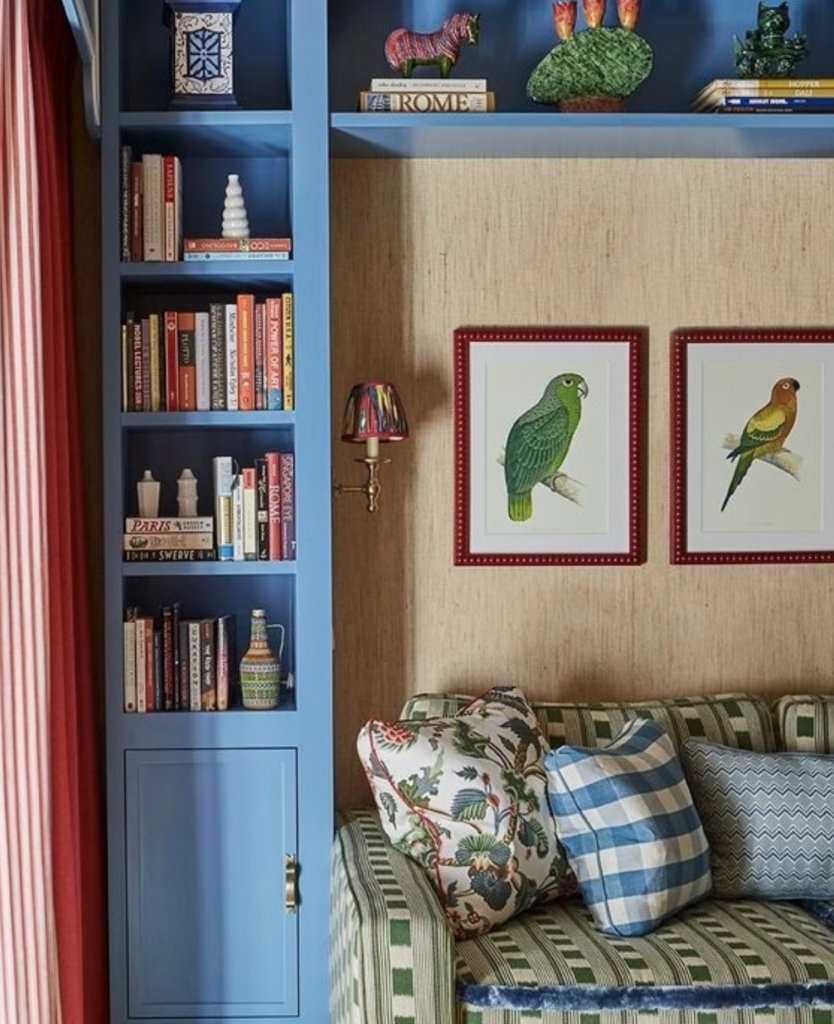
There is a quiet shift happening in the way people are decorating their homes. After years of flat-pack furniture, algorithmic feeds serving up the same ten Scandinavian shelves to everyone simultaneously, and interiors that look beautiful in a photo and feel like nothing in real life — people are looking for something else.
They are looking for objects that look like someone made them.
Why handmade is having its moment
The aesthetic is easy to recognise even if the name shifts — wabi-sabi, japandi, slow living, organic modernism. What these movements share is a preference for imperfection. A ceramic vase that carries the marks of the hands that shaped it. A textile whose pattern was placed stitch by stitch. A surface that does not look the same from every angle in every light.
This is not nostalgia. It is a correction.
When everything in a home is smooth, uniform, and optimised, the result is a space that feels assembled rather than lived in. The eye moves through it without landing anywhere. There is nothing to discover. Handmade objects solve this problem not by being loud, but by being honest — they have weight, texture, and small irregularities that reward attention.
Interior designers have been talking about this shift for years. What has changed is that it has moved from the mood boards of professionals into the mainstream. People are not just pinning these objects. They are buying them.
The myth that craft means expensive
Here is where the conversation usually goes wrong. The word “artisan” gets attached to a price point — and suddenly the assumption is that living with beautiful, hand-finished objects is a luxury reserved for people with serious interior design budgets.
It is not.
The reason handmade objects used to be expensive was primarily one of access. The craftspeople making them were local, the distribution was limited, and the margin stack was steep by the time the object reached a shop floor. That model has been disrupted entirely. Today, the same ceramic tradition that produces a €400 vase in a concept store produces a €49 one made with equal care, sourced directly, without four layers of retail markup between maker and buyer.
The craft is the same. The feel in your hand is the same. What changed is the distance between the person who made it and the person who lives with it.
What to look for
Not everything that calls itself handmade is. Here are three things worth checking before you buy:
First, look at the surface. A genuinely hand-finished ceramic will have slight variations in glaze, texture, or form. If every unit in a product listing looks pixel-perfect and identical, it was not made by hand.
Second, read the material description carefully. “Stone-effect” and “travertine finish” are honest descriptions of resin pieces designed to carry the aesthetic of natural stone at a fraction of the weight and cost. “Natural travertine” means something different. Know which you are buying.
Third, trust the image over the copy. A good product photograph taken honestly will show you the surface, the irregularities, the way the piece catches light.
The pieces worth starting with
If you are building toward a home that feels considered rather than assembled, the fastest places to start are the objects that sit at eye level and hand level — the things you reach past, look at, and notice every day without quite realising it.
A vase on a shelf. A pendant light over the table. A cushion that stops the sofa from looking like it was delivered yesterday and never thought about again.
These are not expensive changes. They are intentional ones. And intention, more than budget, is what separates a room that feels designed from one that merely looks furnished.
At Del Prado Maison, we built the collection around exactly this idea. Every piece is selected for the way it makes a room feel — not just how it photographs. Hand-finished ceramics, raw clay lighting, suzani embroidery made in the artisan tradition. Priced so that living with beautiful things is a decision anyone can make.
Because it should be.